Ikea AR
AR / VR Design
2023
Overview
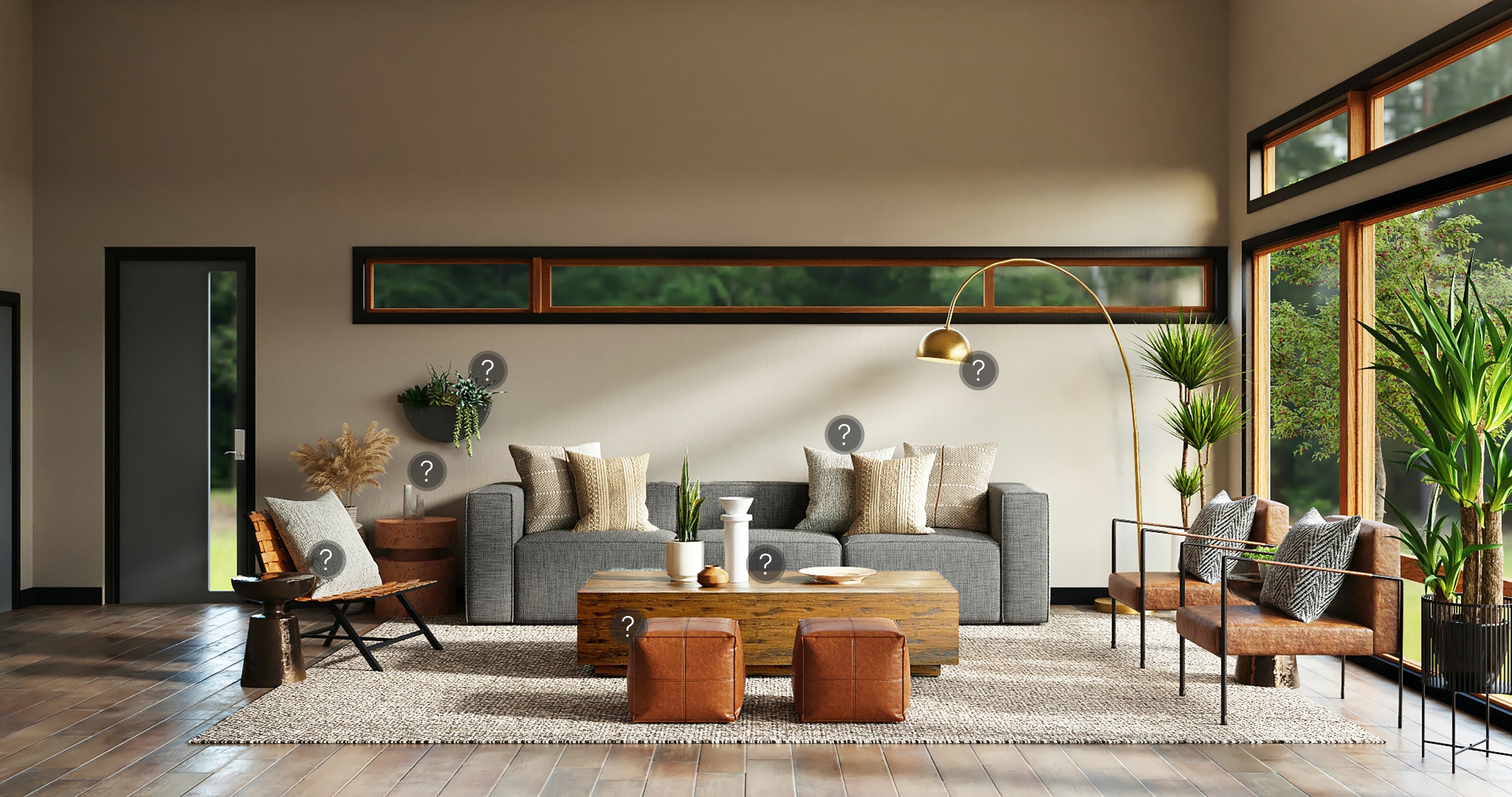
This project focuses on integrating augmented reality (AR) into IKEA's furniture shopping experience. By using Augmented Reality, customers can visualize how furniture will look in their own homes, explore different layouts, and make informed purchase decisions with confidence. The goal is to create a seamless, immersive experience that combines the convenience of online shopping with the tactile, interactive elements of in-store browsing.
Results
AR integration will enhance the shopping experience by helping users visualize furniture in their own homes, leading to more confident purchase decisions, fewer returns, and higher satisfaction. This will improve user experience and drive better sales outcomes.
Potential Users
Understanding the Target Audience
Who are the users?
New home buyers
People who want to refurnish their homes
People looking for inspiration
Casual window shoppers who might buy something if they like it.
Common use cases
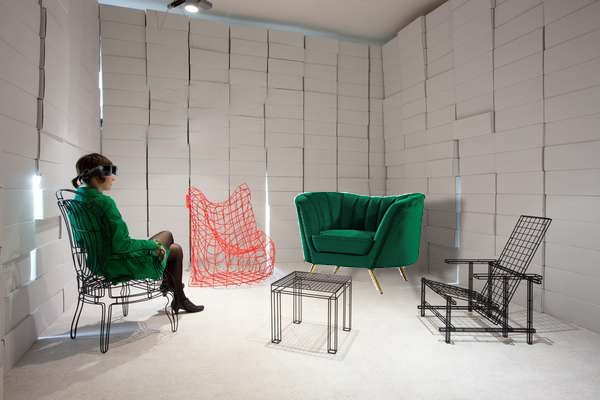
Scan or create a 3D version of your room to visualize furniture placement with accurate measurements.
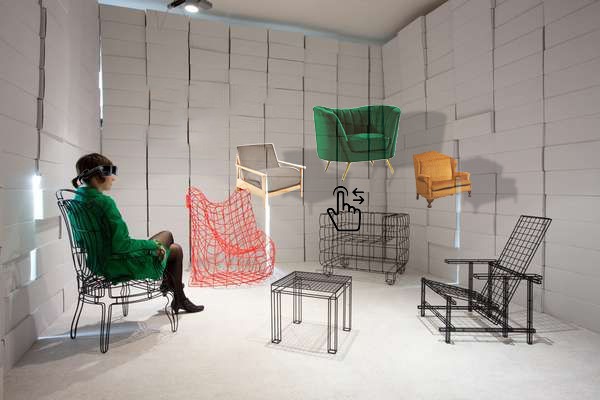
Users can place multiple furniture items in their space simultaneously to see how they look together.
They can experiment with different layouts, colors, and furniture styles before making a purchase.
Allows for accurate measurements, ensuring that chosen items fit perfectly.
Problem Statement
User Research
Translating E-Commerce to the three dimensional world
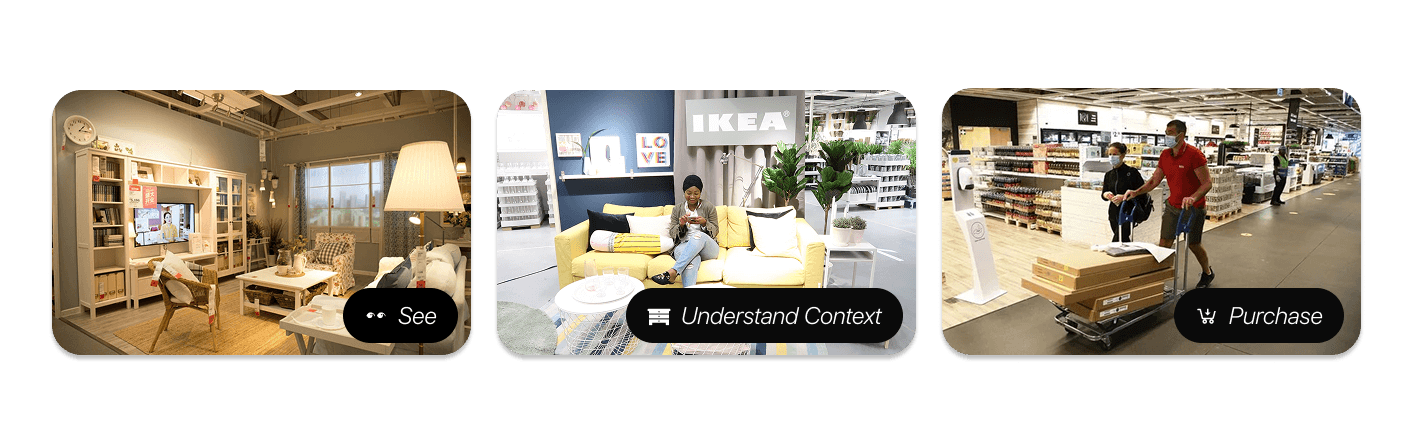
I visited an IKEA store to analyze how the in-store experience impacts purchasing decisions and identify areas where immersive AR could enhance the process. Customers typically follow a three-step approach: viewing the furniture they intend to buy, visualizing it within the context of their own home, and making a confident purchase knowing exactly how it will fit into their space.
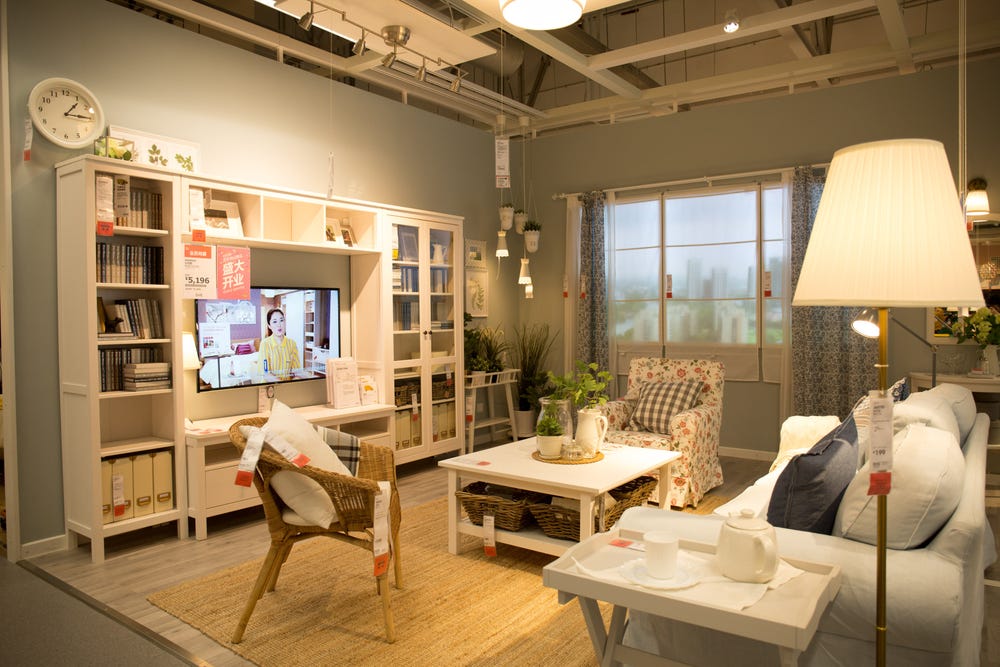
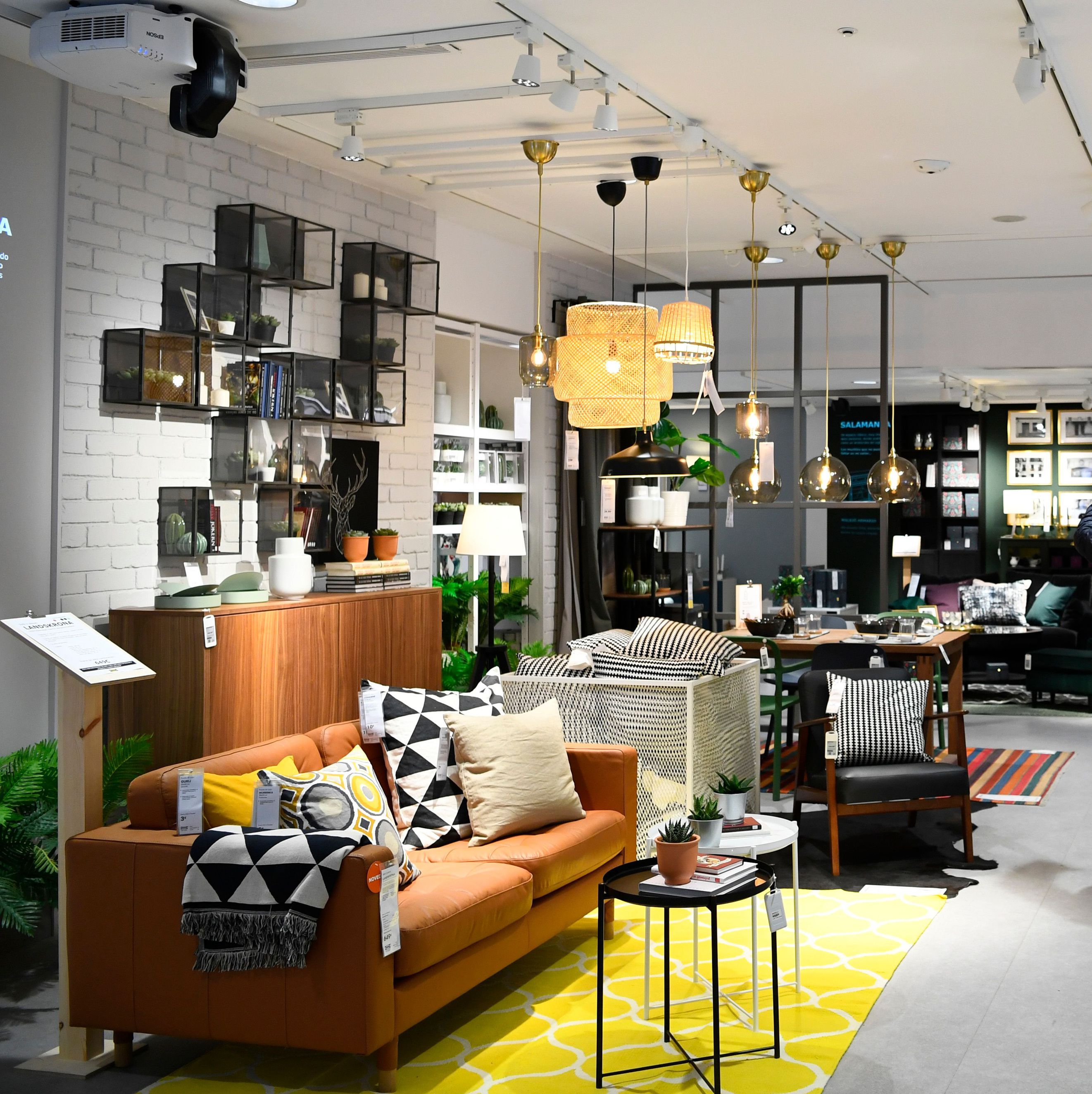
Unlike traditional furniture stores that showcase individual pieces in separate sections, IKEA’s large warehouse-style stores present furniture within curated home-like setups, creating a more immersive and contextual shopping experience.
User pain points.
Limitations of the Ikea store expereince.
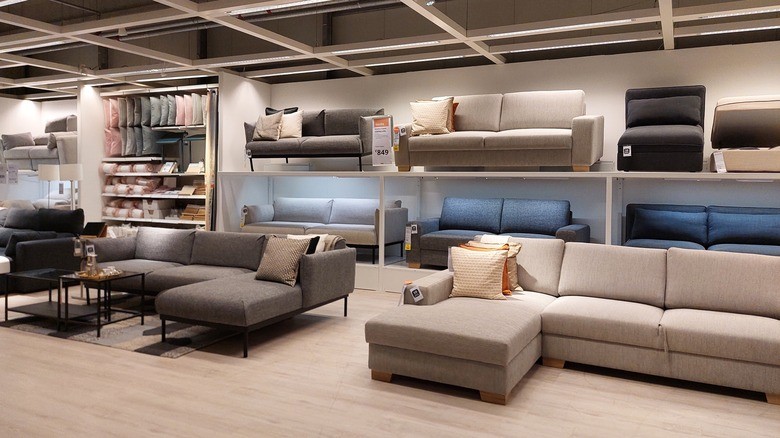
While IKEA’s showroom design creates an immersive and inspiring shopping experience, customers still face challenges when making purchasing decisions. Conversations with shoppers revealed key limitations in how the store's layout and presentation influence their ability to confidently choose furniture that fits their homes.
01
Lack of Personalized Layouts: Although IKEA’s home-like displays help customers connect with products, they do not accurately represent the diverse layouts of individual homes. This makes it difficult for shoppers to visualize how furniture will fit into their specific spaces.
02
Limited Customization in Displays: Display rooms feature only one curated furniture set, requiring customers to assume how well a new item will blend with their existing décor.
03
Scale Perception Issues: Customers may struggle to gauge the true size of furniture in relation to their own space, leading to uncertainty about fit and proportion.
Final Designs
Design Strategy
IKEA in Augmented Reality
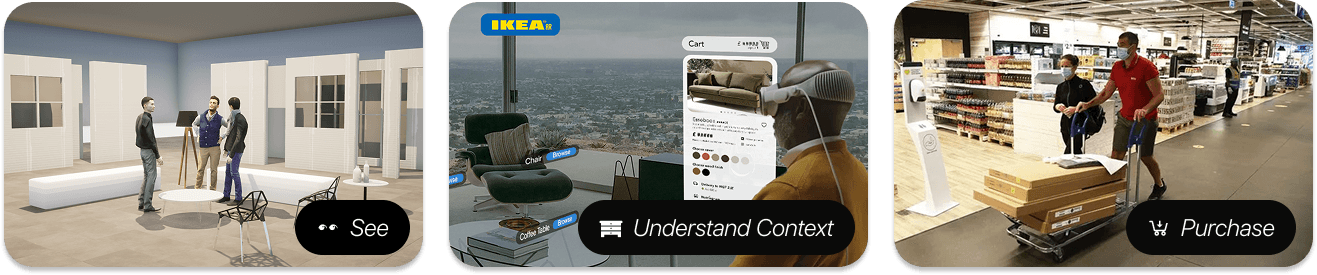
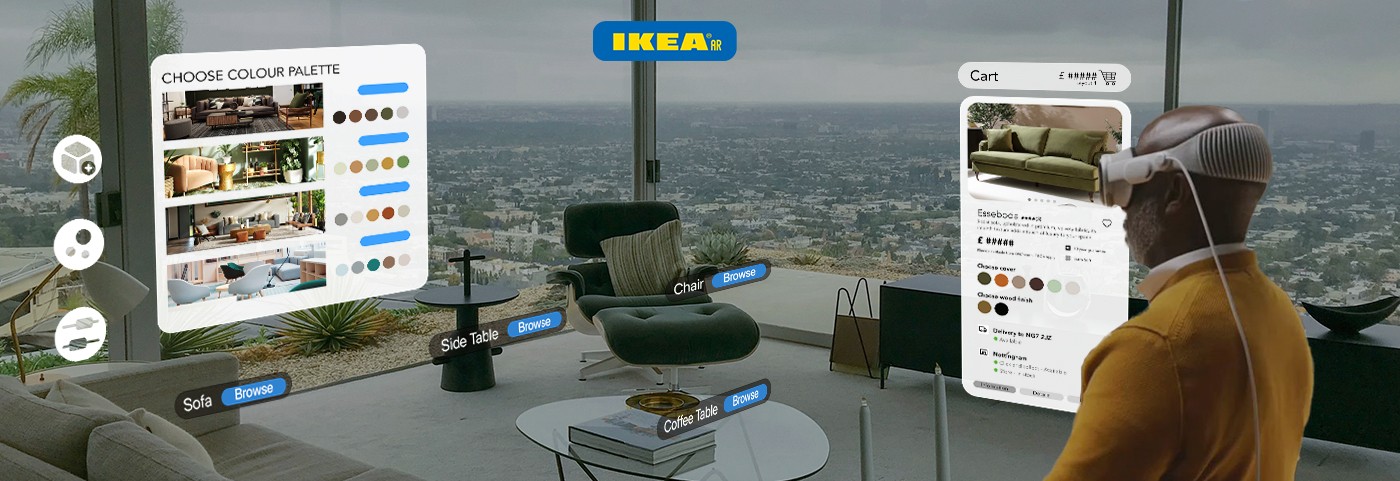
Using the "see, understand context, purchase" method, we will build an augmented reality experience that allows customers to design a version of their home in AR or scan their existing room to get the layout.
See: Customers will be able to visualize furniture in 3D within their own home environment.
Understand Context: Customers can explore how different furniture pieces fit into their room, adjusting placement and layout as needed.
Purchase: Once satisfied with their design, customers can purchase the furniture they’ve placed directly from the online store via their desktop.
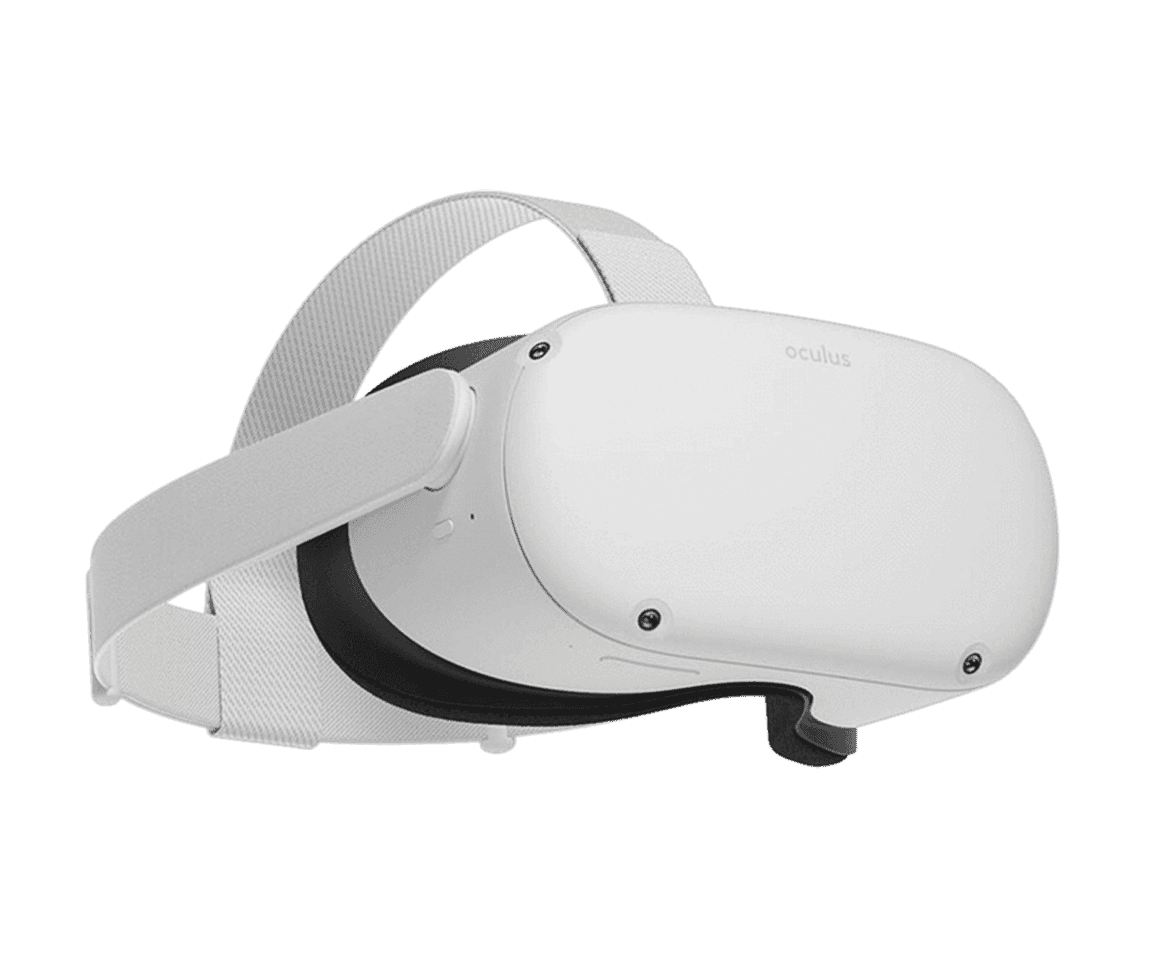
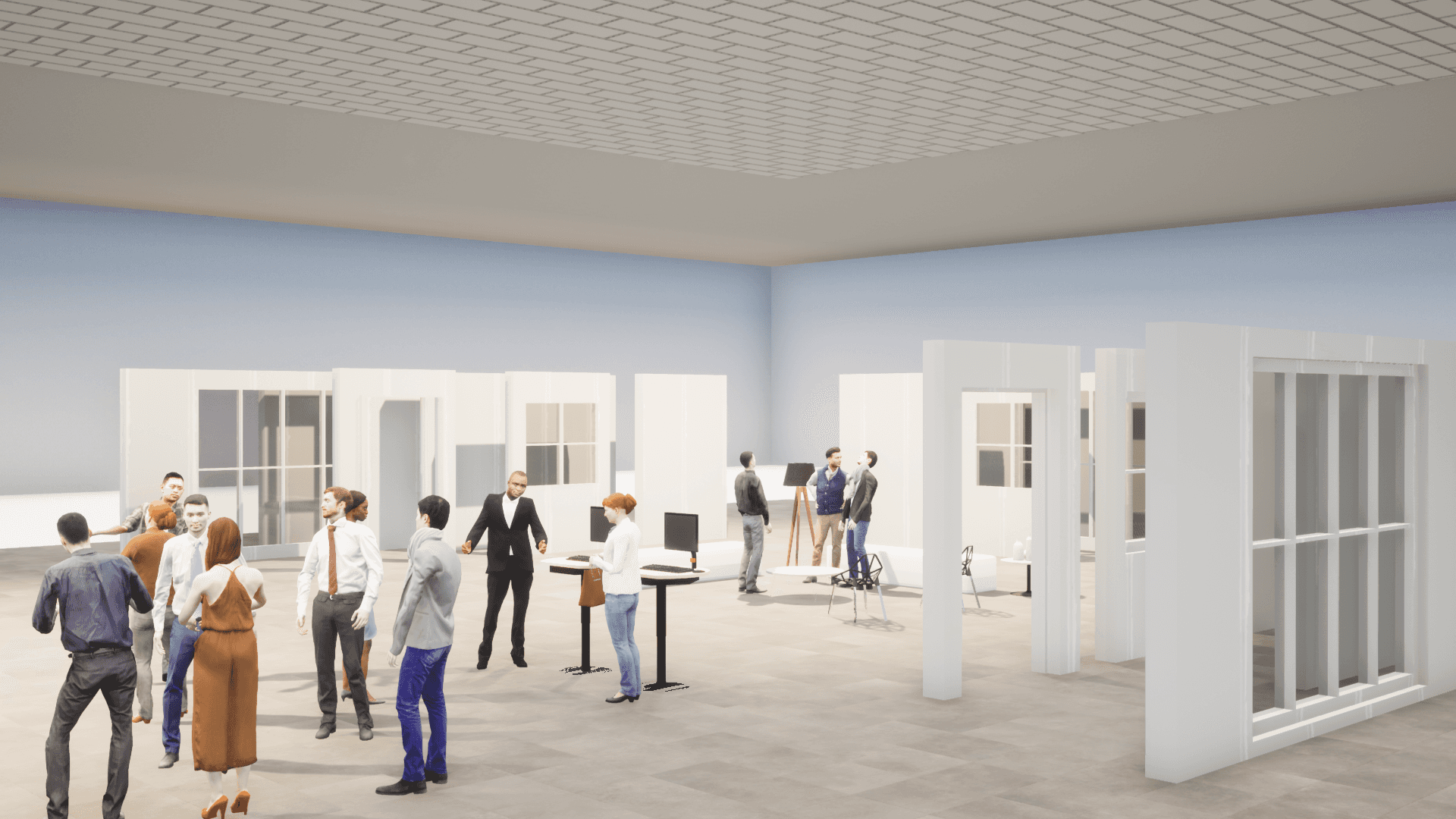
The project is being executed on a Meta Quest 2 VR headset, where the 3D environment of a home will be recreated, and AR UI elements will be placed over it to emulate an augmented reality experience.
Building an AR Design Software – Build Feature
Interactive Layout Planning in AR
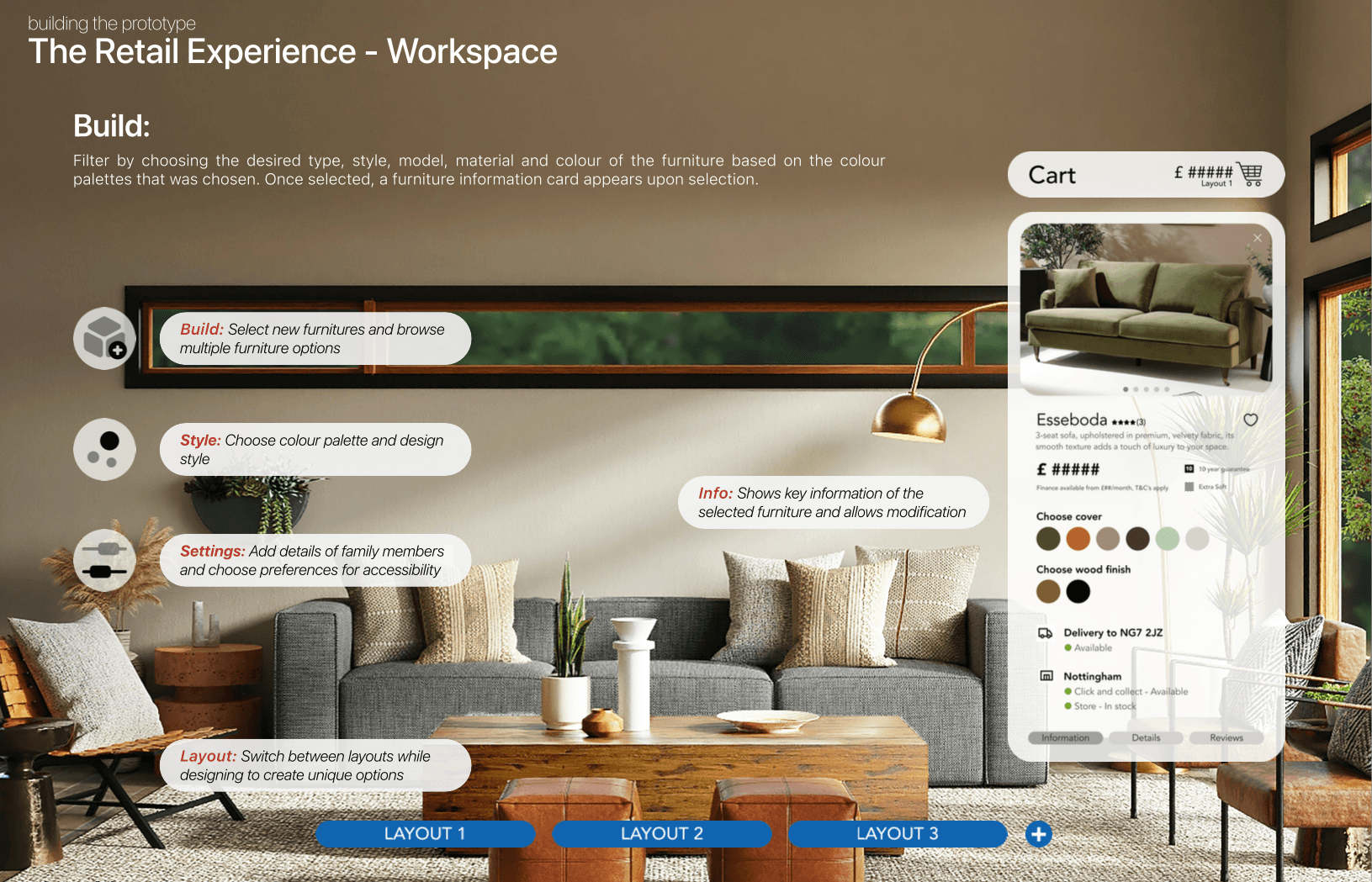
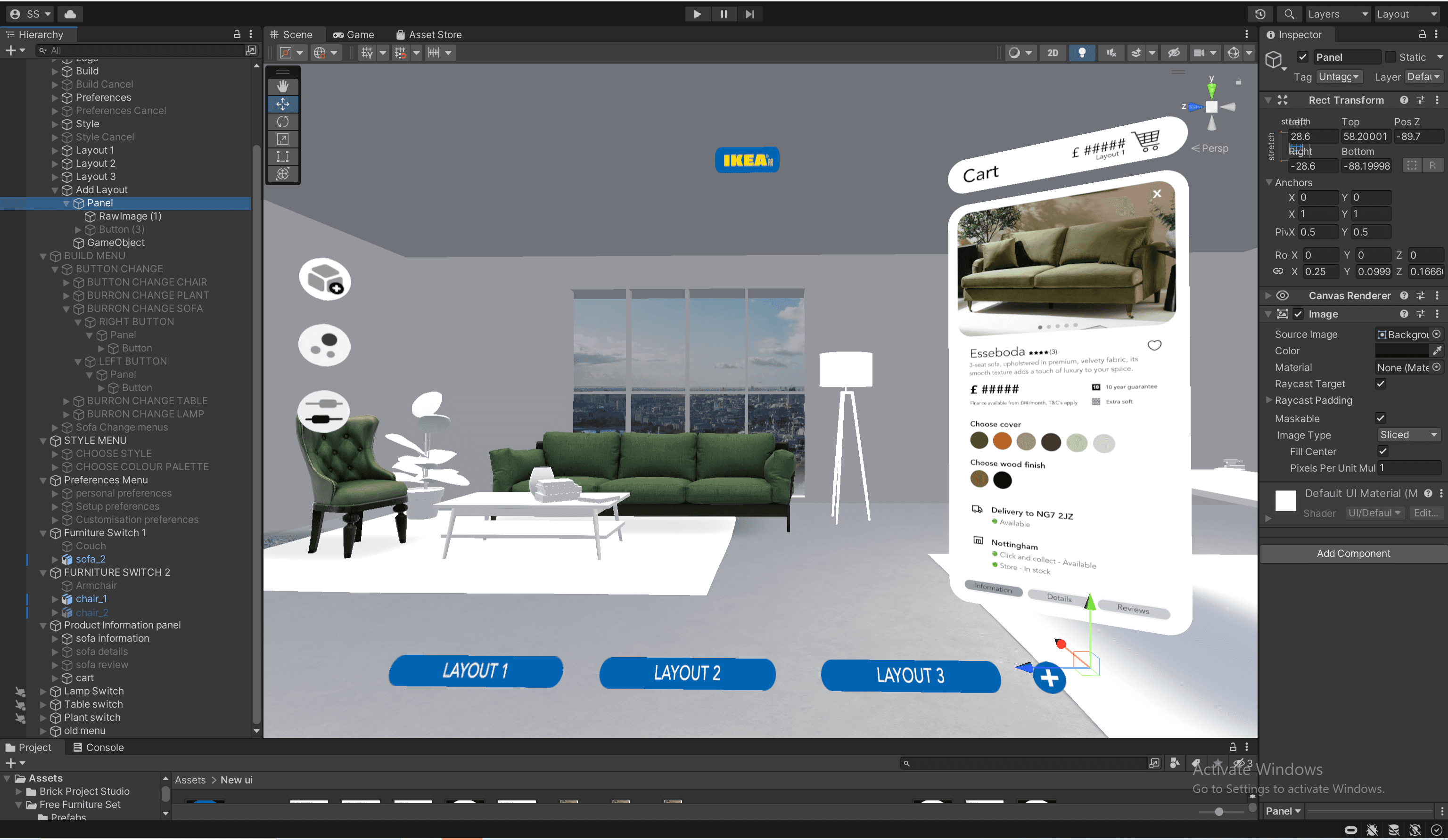
The Build feature enables users to create multiple furniture layouts by placing 3D furniture assets within a scanned or pre-designed AR room. Users can drag, rotate, and resize furniture to experiment with different configurations that best suit their space. Layouts can be saved and switched, allowing for side-by-side comparisons before finalizing a selection.

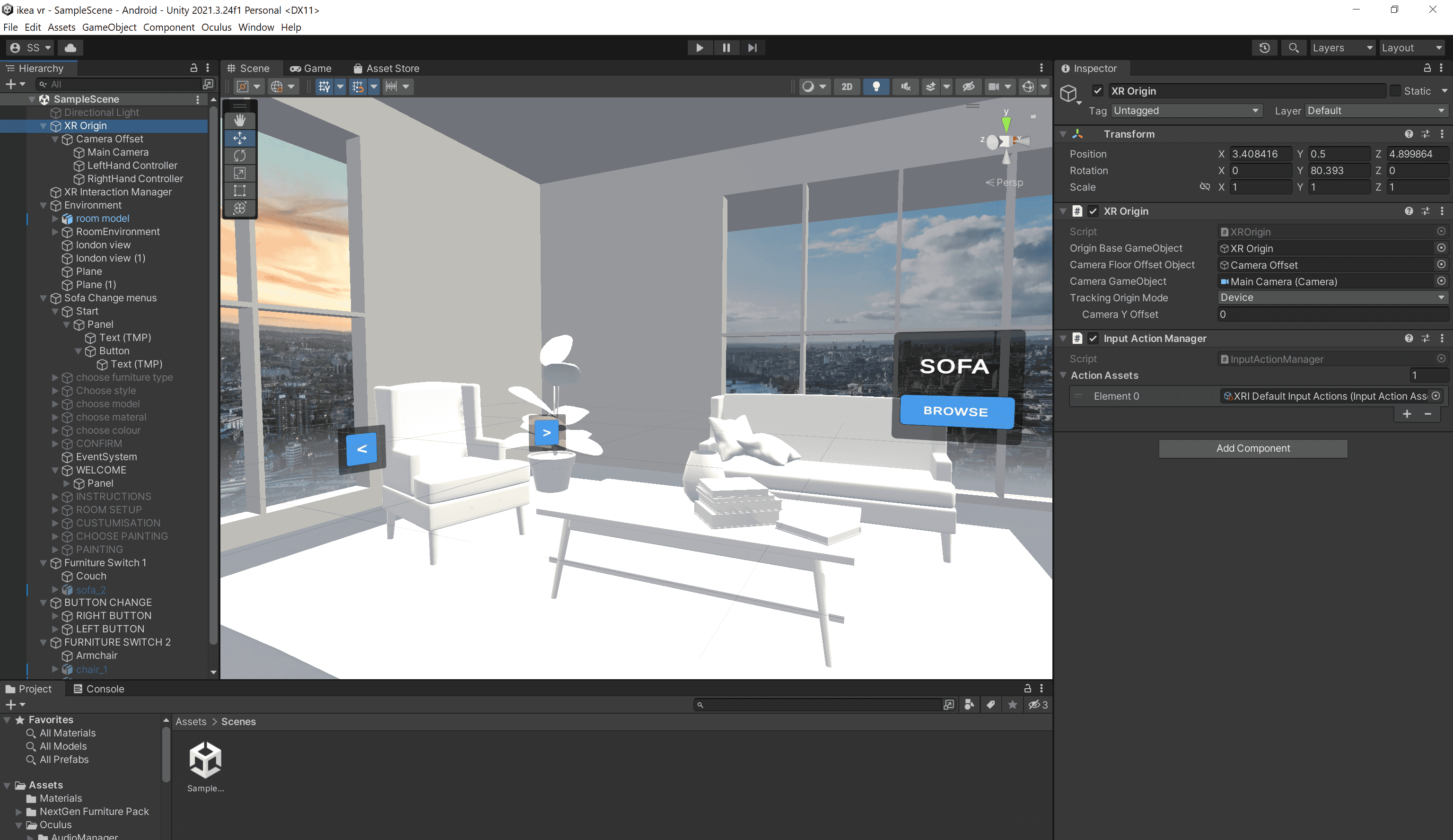
Building an AR Design Software – Styles Feature
Customizing Colors, Styles, and Materials in AR
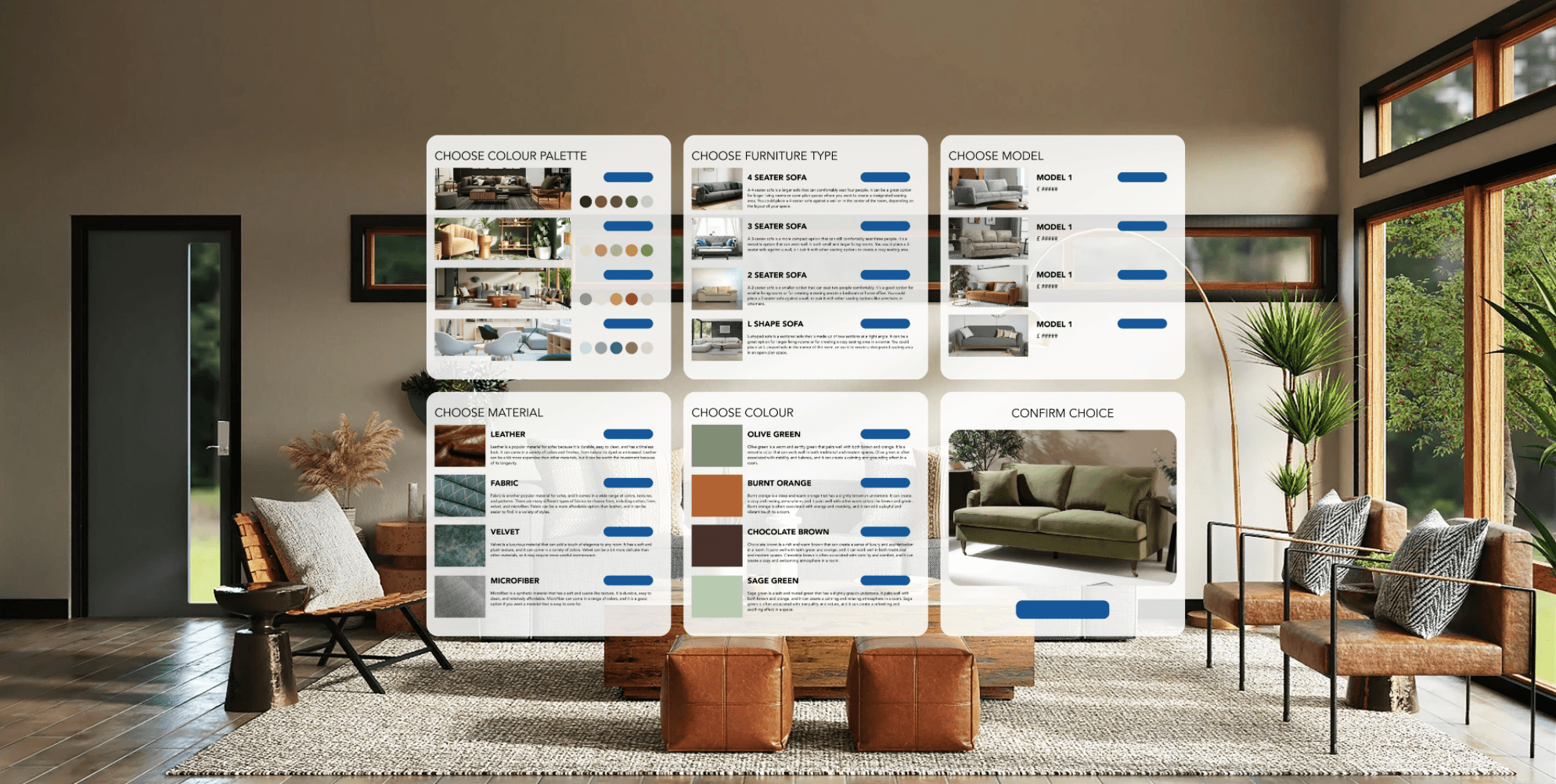
The Styles feature enhances personalization by allowing users to customize furniture colors, materials, and design themes directly within the AR interface. By selecting a preferred style palette, users can narrow down their furniture choices and ensure visual cohesion before making a purchase.


This feature integrates with the Build mode, dynamically updating furniture textures and finishes in real-time. Users can apply multiple styles to different layouts, helping them experiment with aesthetic variations. The software will also provide AI-generated suggestions based on existing selections to enhance the overall interior design experience.
Building an AR Design Software – Cart & Smart Recommendations
Shopping Cart & Contextual Suggestions
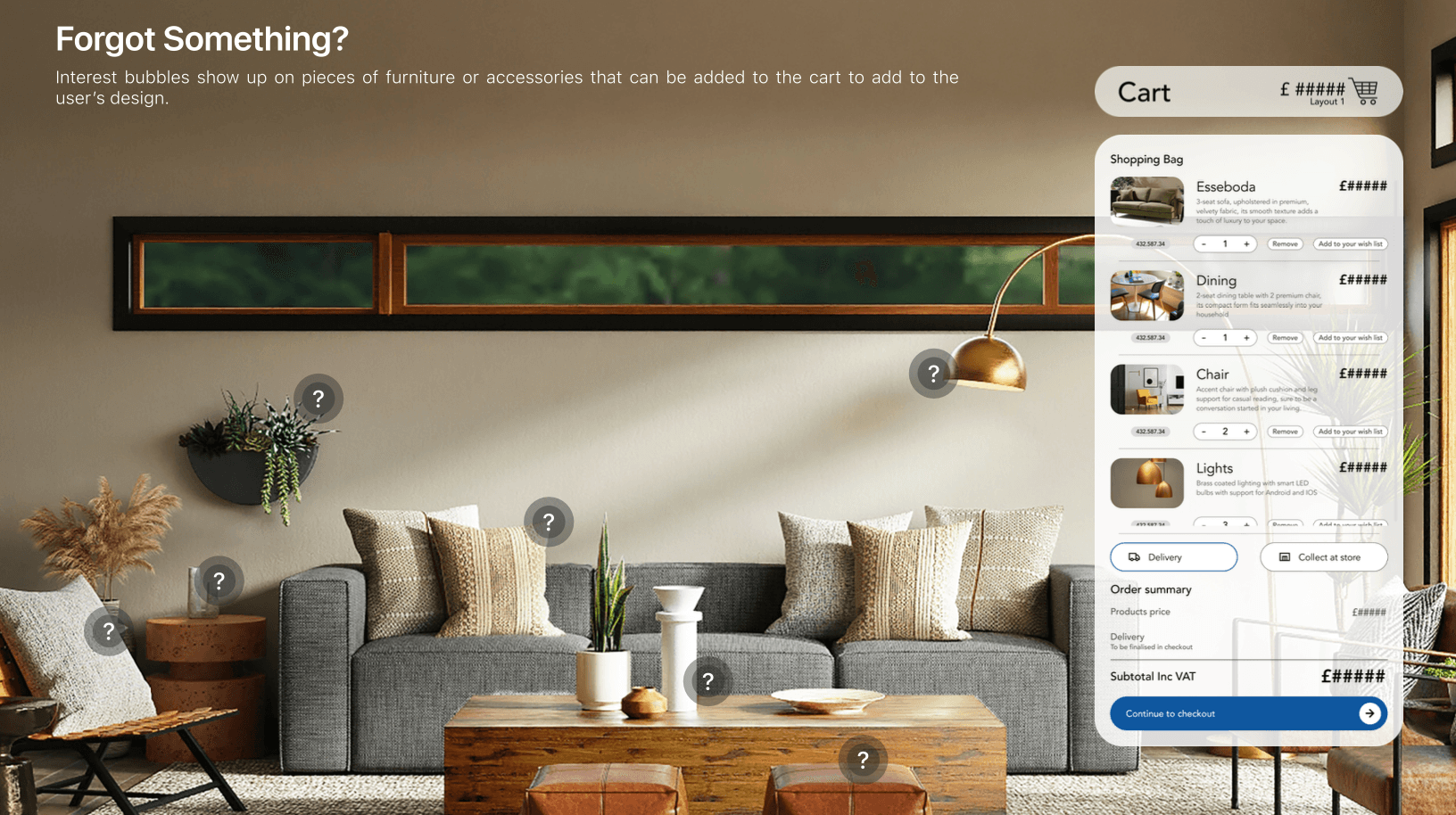
The AR Cart is a floating interface displaying all selected furniture items along with key details like dimensions, price, and material. It allows users to track their placed furniture across different layouts, compare variations, and seamlessly switch between saved designs before proceeding to checkout.
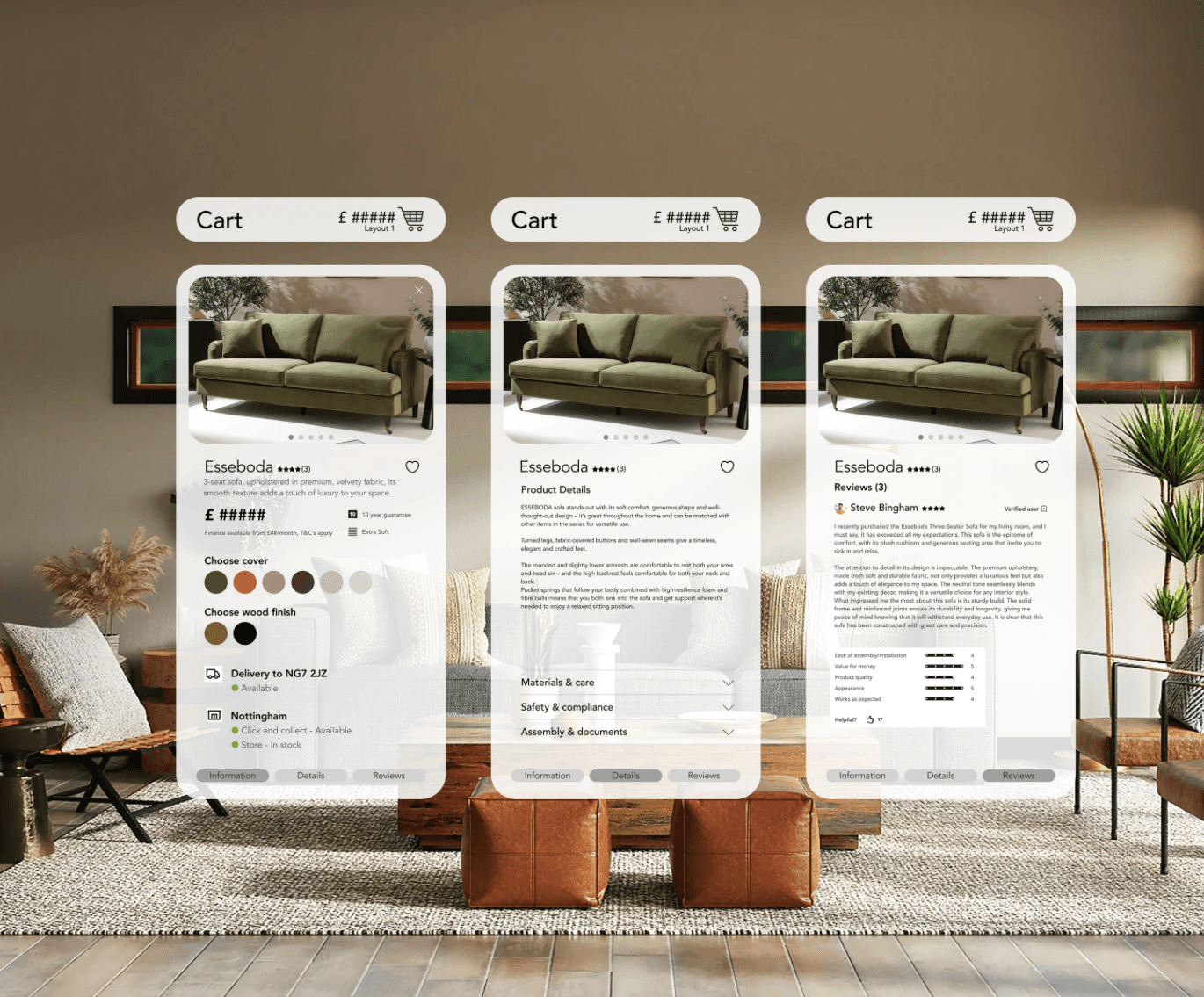

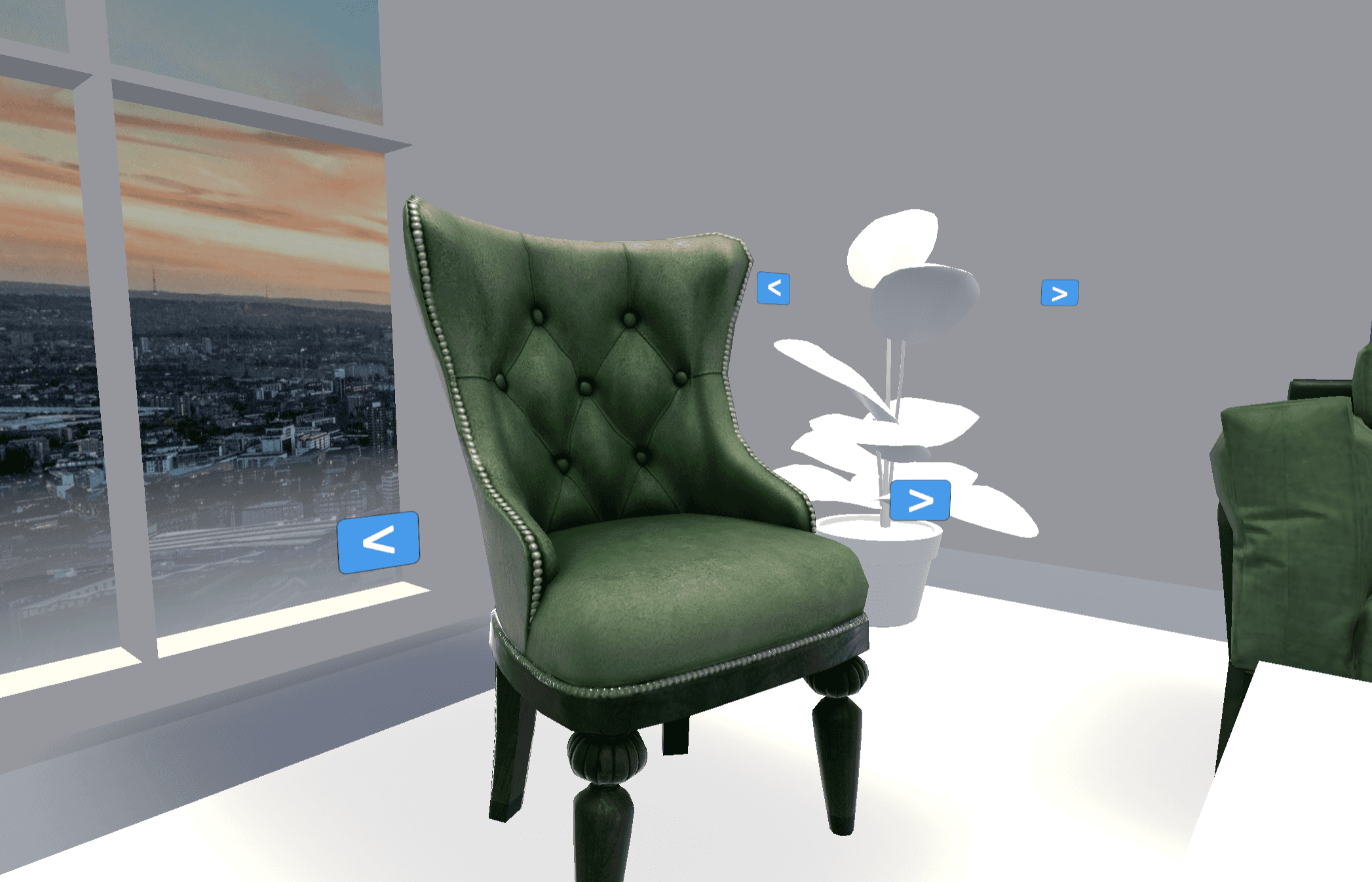
To enhance user engagement, the Cart will feature floating question marks on placed furniture, offering contextual decor suggestions. This intelligent recommendation system helps users complete their space by suggesting complementary items such as rugs, lighting, and accessories—serving as both a design assistant and a subtle marketing tool.
Future Implications – Optimized Circulation & Spatial Awareness
Intelligent Space Planning & Circulation Logic
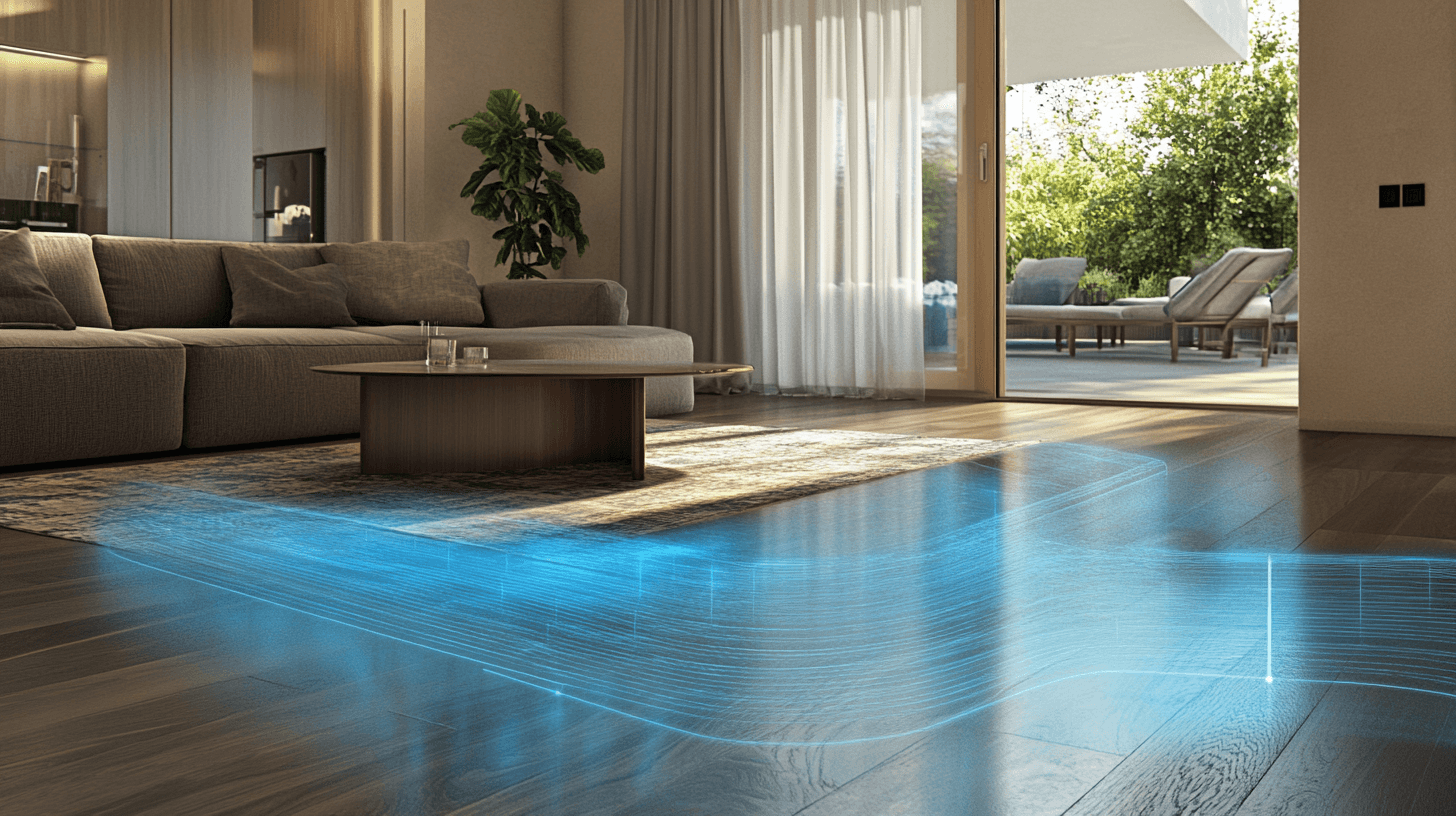
To ensure functional and realistic layouts, the AR system will integrate logic for circulation space, preventing cramped or inefficient designs. Each furniture model will include setback margins on all six sides, ensuring proper spacing between items and guiding users toward optimized room layouts.
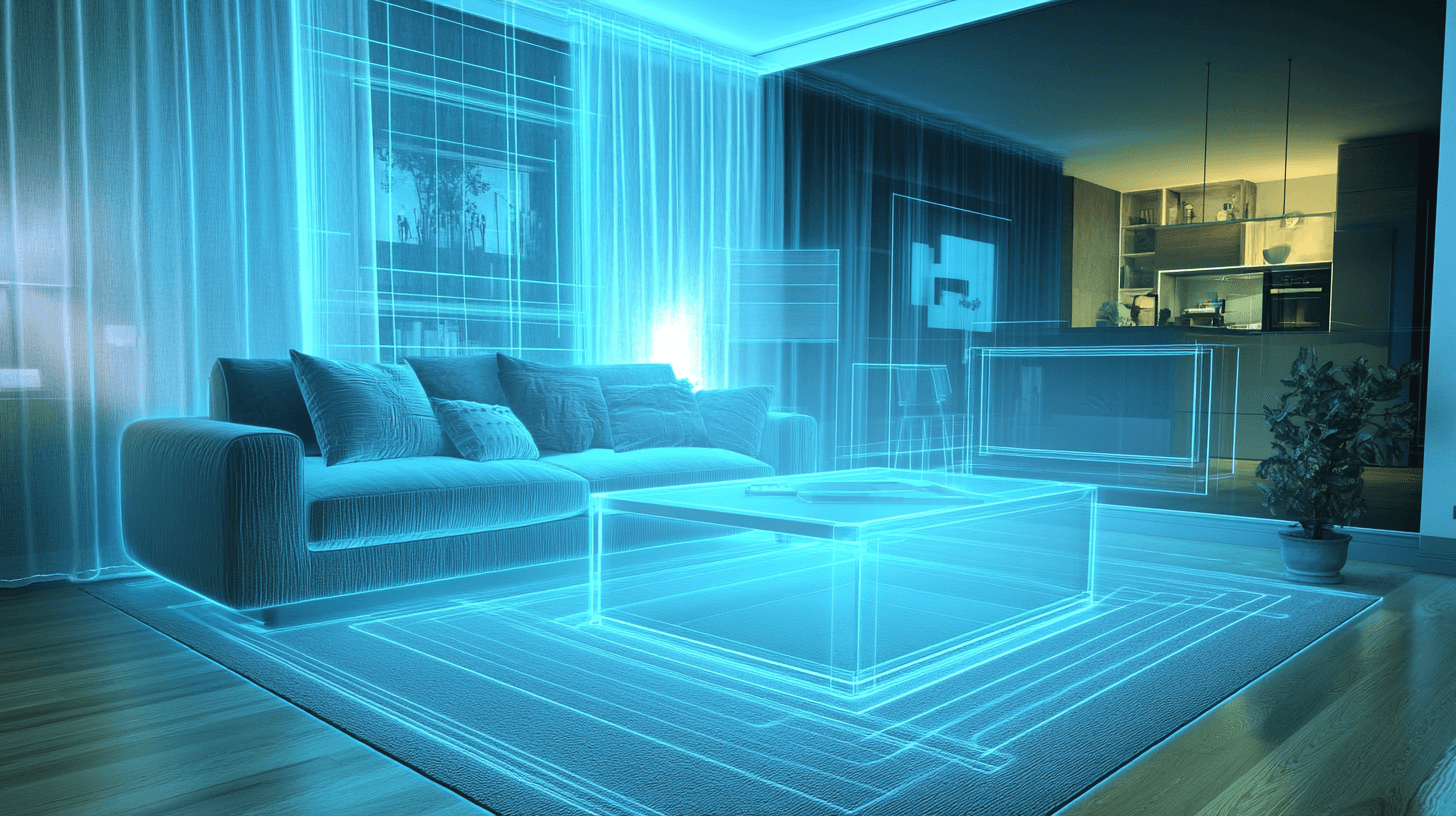
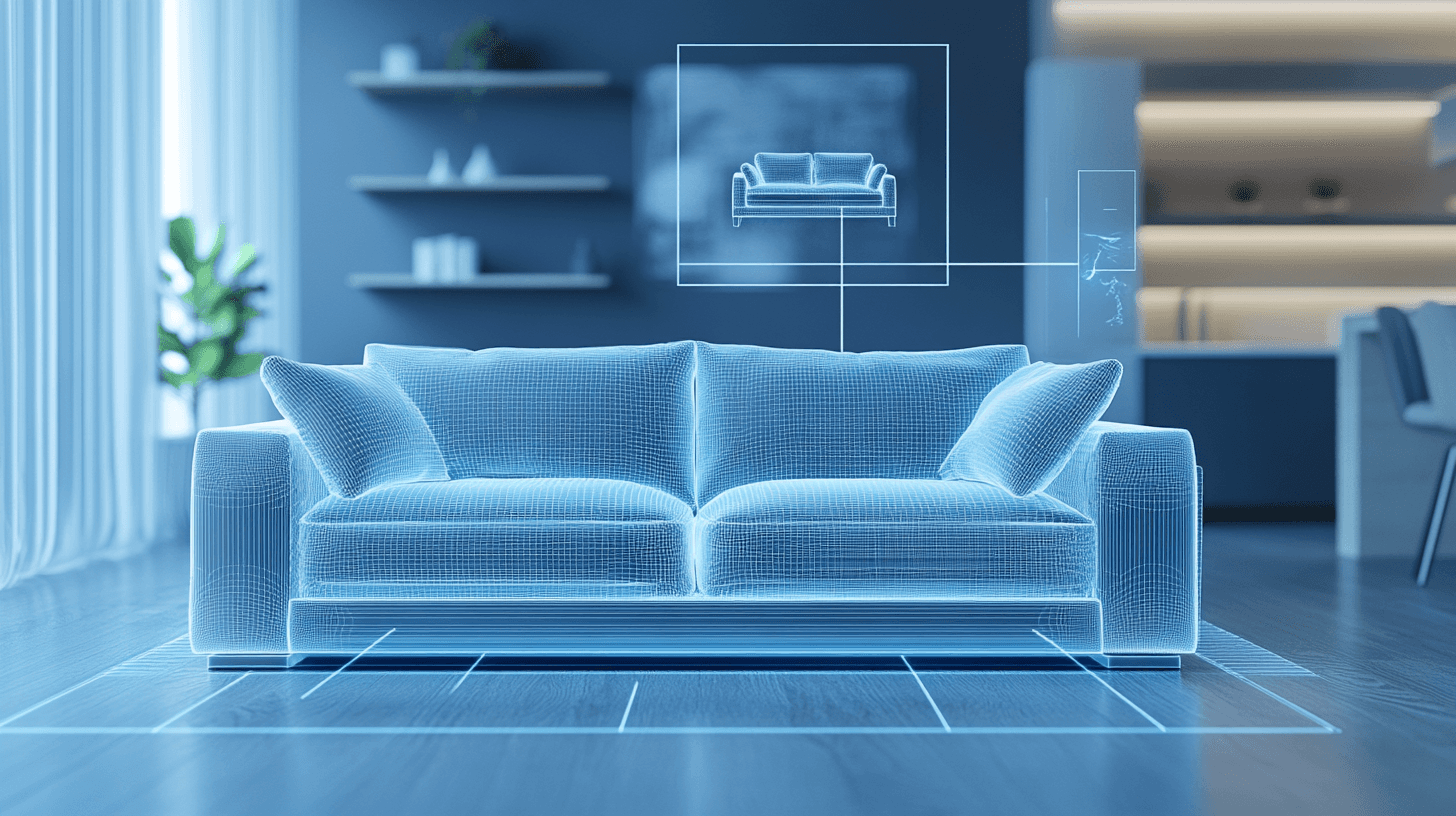
The software will provide AI-driven layout suggestions, analyzing room dimensions and furniture placement to enhance flow and accessibility. This will be especially useful for users unfamiliar with interior planning, as it ensures that walkways, entry points, and usable space are maintained for a more practical living environment.
Outcome
Seamless Shopping Experience through AR
The integration of augmented reality into the IKEA shopping journey will significantly enhance customer confidence and satisfaction. By providing an interactive and immersive way to visualize furniture in their own space, customers will make more informed decisions, reducing uncertainty and the risk of post-purchase regret. The ability to design, experiment with different layouts, and make purchases directly from the AR interface will create a streamlined, engaging shopping experience that bridges the gap between in-store browsing and online shopping convenience.